
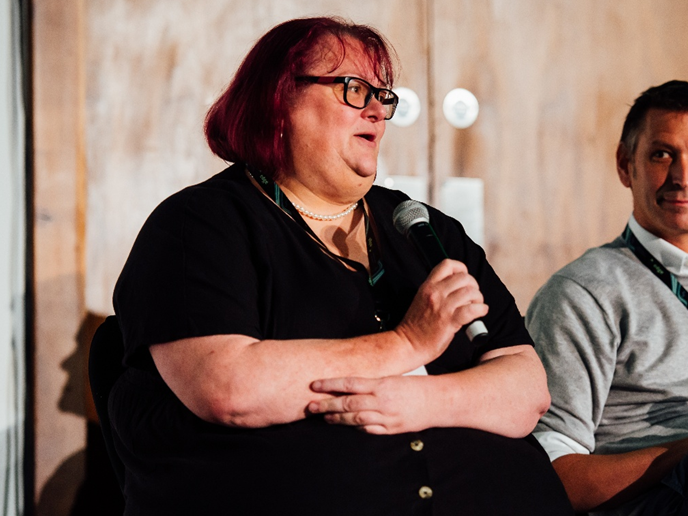
Mikayala King, Research Governance and QA Manager, UHS
Showcasing University Hospitals Southampton NHS Trust for outstanding efforts in strengthening their use of EDGE
For more than 20 years, University Hospitals Southampton NHS Foundation Trust (UHS) has relied on EDGE to support the management of its research portfolio. Today, the system is firmly embedded within the organisation’s research and development processes, providing a central source of information throughout the research lifecycle.
With the introduction of new Key Performance Indicators (KPIs) from the Department of Health and Social Care, designed to measure research set-up times and delivery of research, the UHS R&D team recognised an opportunity to review how they could make the most effective use of all tools available to them.
To explore this, the team held a dedicated focus event around EDGE bringing together staff from across the R&D infrastructure.
Making the most of EDGE
Mikayala King, Research Governance and QA Manager at UHS, explained the thinking behind the event:
“We wanted to ensure that we were using all of the tools available to us to help manage expectations, to be able to react swiftly to changing situations with studies, and to look for trends to enable us to be more efficient.”
For UHS, EDGE is central to achieving this. As Mikayala explains:
“The main tool at our fingertips is EDGE. It is our source of truth and our contemporaneous record of everything that occurs prior to study set-up, including the EOI process, feasibility, and whilst the study is running, amendments and invoicing for activity.”
With EDGE playing such an important role, the team identified the need to ensure that everyone was confident in using the system and understood how information was captured, stored, retrieved, and subsequently reported.
A day focused on data, processes and collaboration
The full-day event provided an opportunity for different staff groups across the R&D department to refresh their knowledge of EDGE and explore how the system is being used across UHS.
Key areas covered during the day included:
How UHS uses EDGE throughout the research lifecycle.
The importance of data integrity.
The value of timely and complete data entry.
Where information is stored within EDGE and how it can be retrieved.
How EDGE data is used and reported across the wider R&D department.
Opportunities to improve workflows and make better use of existing functionality.
Ideas for additional functionality that could provide greater insight into studies and support more efficient working.
The event was not simply about refreshing existing knowledge. It also created a forum for staff to share their experiences, identify challenges, and suggest ways that EDGE could be used more effectively.
Turning discussion into action
The event has already led to tangible improvements within UHS.
Following the discussions, changes have been made to forms and workflows, while data input has improved. The team is also planning a further event focused specifically on finance, recognising the importance of ensuring that financial information is managed as effectively as other areas of the research portfolio.
The team also identified areas where improvements and clarification would be valuable at a wider level. This includes suggestions to the NIHR around the handling and reporting of sub-studies and platform trials, as well as questions about where the data used to populate EDGE from CPMS is sourced.
Learning through practical activities
To reinforce the importance of good data management, the team took an engaging and creative approach during the day.
The importance of timely data entry was demonstrated using Rubik’s Cubes, while data integrity was explored through doctored jigsaw puzzles. The team also used doctored origami instructions to highlight the importance of clear and accurate instructions.
These practical exercises helped turn what can sometimes feel like abstract concepts into memorable, hands-on examples of how small errors, delays, or inconsistencies can affect the bigger picture.
Looking ahead: The next 20 years
For UHS, the focus event demonstrated the value of stepping back from day-to-day processes to review how systems, data, and people work together.
The team plans to continue pushing EDGE as far as possible, while working collaboratively with the EDGE team to explore opportunities for further development and improvement.
UHS plans to ensure that EDGE continues to be the trusted source of truth for research studies and that it remains a fundamental part of research management for many years to come.
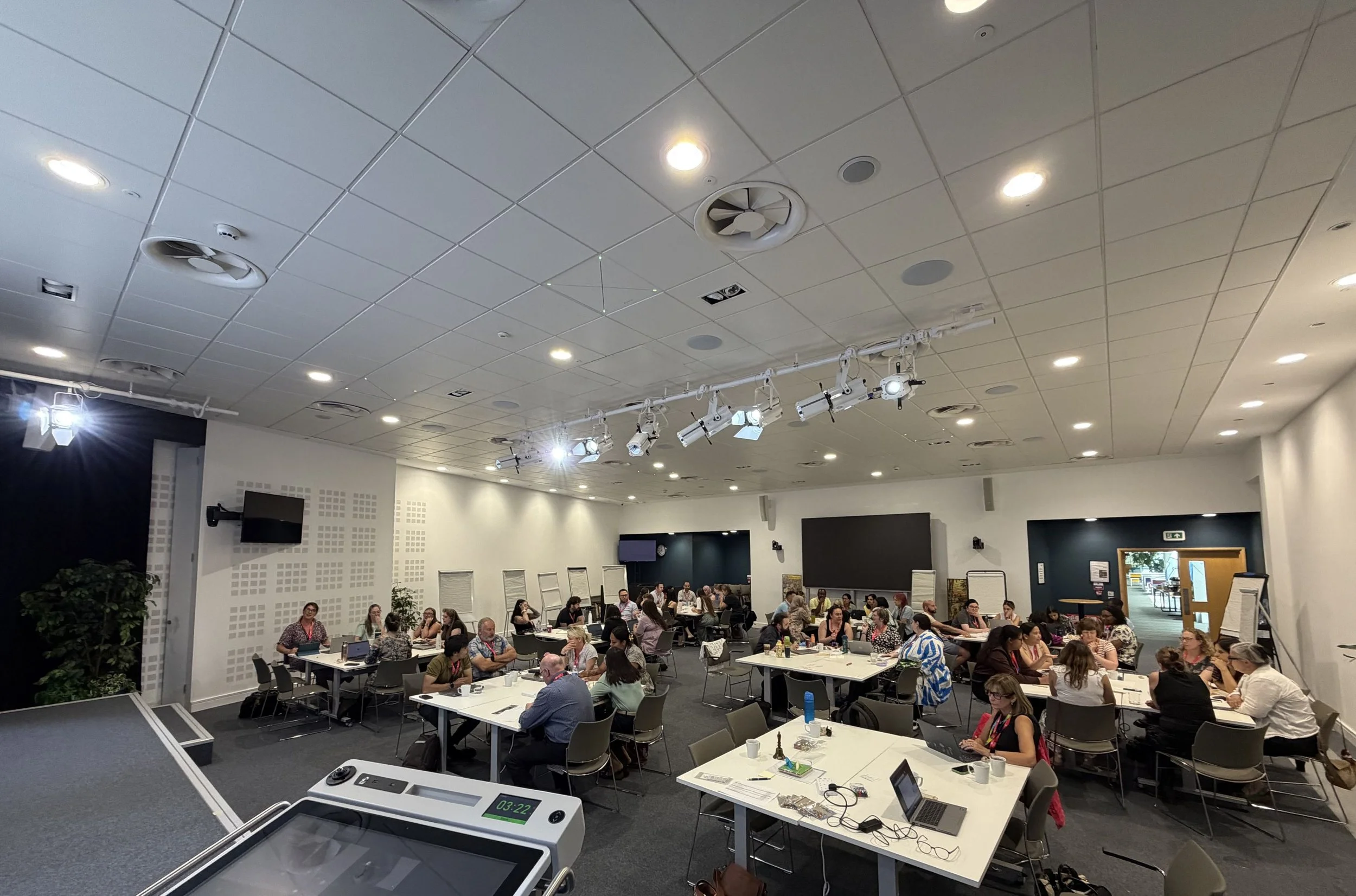
UHS attendees of the EDGE day