
EDGE

How University Hospitals Southampton uses EDGE to strengthen research management

Mikayala King, Research Governance and QA Manager, UHS

For more than 20 years, University Hospitals Southampton NHS Foundation Trust (UHS) has relied on EDGE to support the management of its research portfolio. Today, the system is firmly embedded within the organisation’s research and development processes, providing a central source of information throughout the research lifecycle.

With the introduction of new Key Performance Indicators (KPIs) from the Department of Health and Social Care, designed to measure research set-up times and delivery of research, the UHS R&D team recognised an opportunity to review how they could make the most effective use of all tools available to them.

To explore this, the team held a dedicated focus event around EDGE bringing together staff from across the R&D infrastructure.

Making the most of EDGE

Mikayala King, Research Governance and QA Manager at UHS, explained the thinking behind the event:

“We wanted to ensure that we were using all of the tools available to us to help manage expectations, to be able to react swiftly to changing situations with studies, and to look for trends to enable us to be more efficient.”

For UHS, EDGE is central to achieving this. As Mikayala explains:

“The main tool at our fingertips is EDGE. It is our source of truth and our contemporaneous record of everything that occurs prior to study set-up, including the EOI process, feasibility, and whilst the study is running, amendments and invoicing for activity.”

With EDGE playing such an important role, the team identified the need to ensure that everyone was confident in using the system and understood how information was captured, stored, retrieved, and subsequently reported.

A day focused on data, processes and collaboration

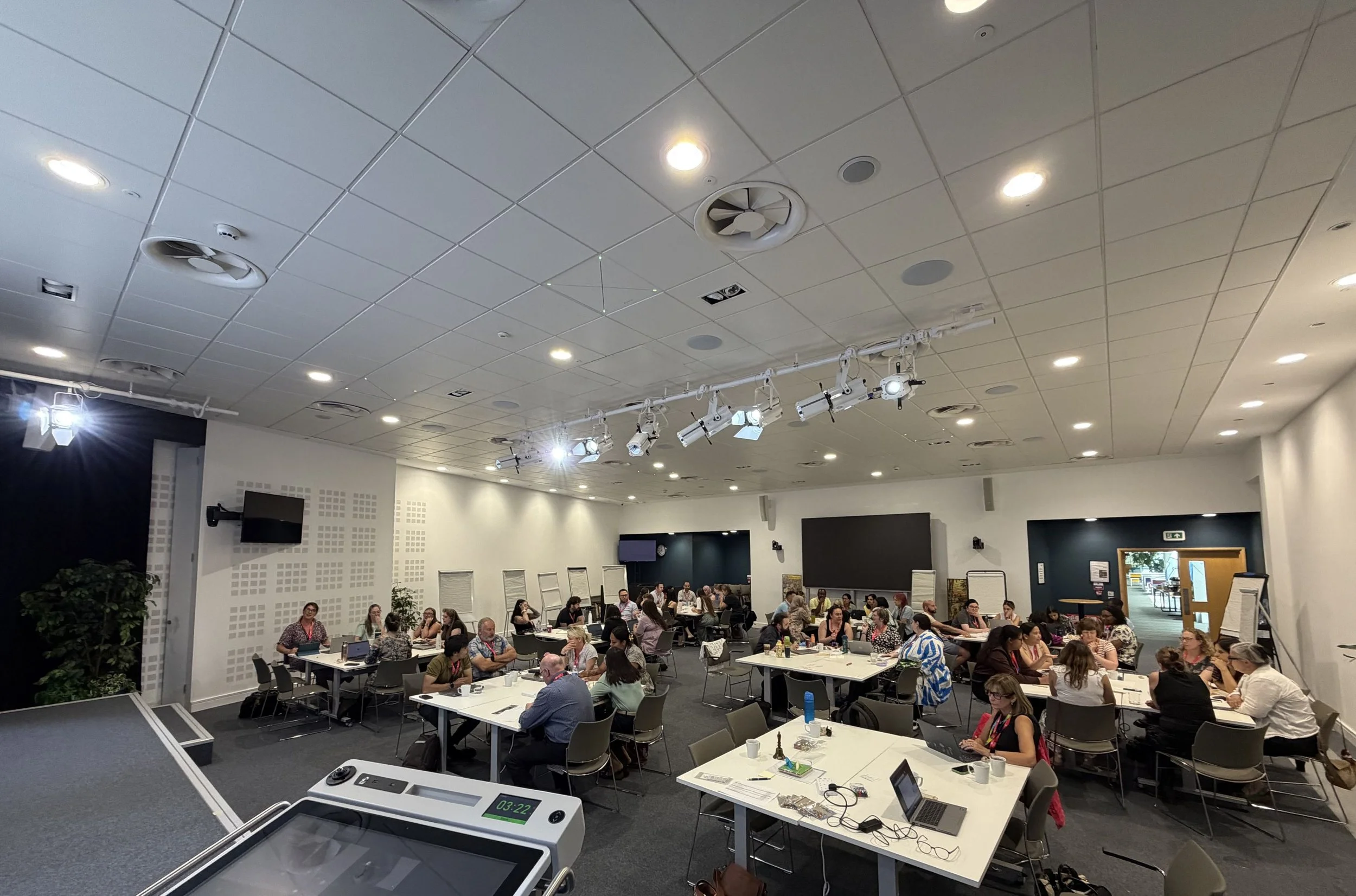
The full-day event provided an opportunity for different staff groups across the R&D department to refresh their knowledge of EDGE and explore how the system is being used across UHS.

Key areas covered during the day included:

  • How UHS uses EDGE throughout the research lifecycle.

  • The importance of data integrity.

  • The value of timely and complete data entry.

  • Where information is stored within EDGE and how it can be retrieved.

  • How EDGE data is used and reported across the wider R&D department.

  • Opportunities to improve workflows and make better use of existing functionality.

  • Ideas for additional functionality that could provide greater insight into studies and support more efficient working.

The event was not simply about refreshing existing knowledge. It also created a forum for staff to share their experiences, identify challenges, and suggest ways that EDGE could be used more effectively.

Turning discussion into action

The event has already led to tangible improvements within UHS.

Following the discussions, changes have been made to forms and workflows, while data input has improved. The team is also planning a further event focused specifically on finance, recognising the importance of ensuring that financial information is managed as effectively as other areas of the research portfolio.

The team also identified areas where improvements and clarification would be valuable at a wider level. This includes suggestions to the NIHR around the handling and reporting of sub-studies and platform trials, as well as questions about where the data used to populate EDGE from CPMS is sourced.

Learning through practical activities

To reinforce the importance of good data management, the team took an engaging and creative approach during the day.

The importance of timely data entry was demonstrated using Rubik’s Cubes, while data integrity was explored through doctored jigsaw puzzles. The team also used doctored origami instructions to highlight the importance of clear and accurate instructions.

These practical exercises helped turn what can sometimes feel like abstract concepts into memorable, hands-on examples of how small errors, delays, or inconsistencies can affect the bigger picture.

Looking ahead: The next 20 years

For UHS, the focus event demonstrated the value of stepping back from day-to-day processes to review how systems, data, and people work together.

The team plans to continue pushing EDGE as far as possible, while working collaboratively with the EDGE team to explore opportunities for further development and improvement.

UHS plans to ensure that EDGE continues to be the trusted source of truth for research studies and that it remains a fundamental part of research management for many years to come.

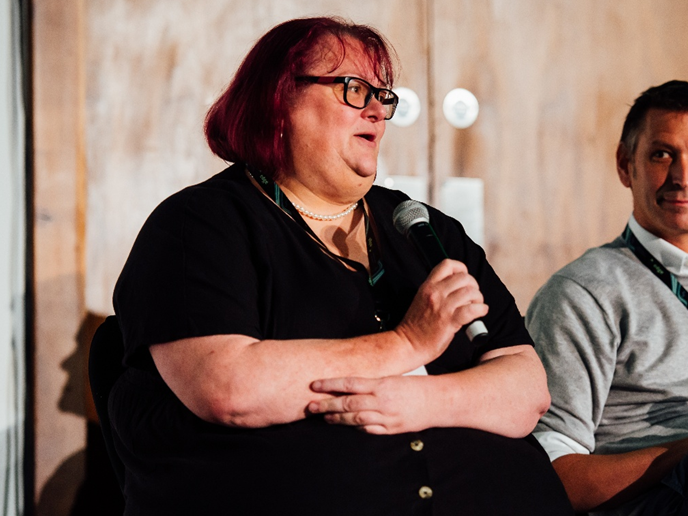
UHS attendees of the EDGE day

From EDGE user to EDGE team: Beth Mathis

CIRU Marketing Manager, Beth Mathis

Prior to my current position at EDGE, I worked in a few different research-based roles where I was first introduced to EDGE and, in fact, became a user of the system myself.

My research journey began in 2012 when I joined University Hospitals Southampton NHS Foundation Trust as a Pharmacy Support Worker in Clinical Trials. My main tasks included dispensing clinical trial medication, setting up trial folders and receipting trial drugs. I soon progressed to Senior Pharmacy Support Worker and later to Clinical Trials Coordinator, where I worked on mostly Oncology studies.

It was during these roles that I was introduced to EDGE, and it quickly became a helpful tool in my day-to-day work. I used it to help identify trial patients when prescriptions came into the pharmacy. It was also useful for gathering additional information that a Pharmacist might need, particularly when working in the main Oncology pharmacy, where clinical trials was just a small part of the medication dispensed in the dispensary and produced in the clean rooms.

My roles within Pharmacy involved a lot of paperwork including the upkeep of drug accountability logs, staff logs, drug destruction logs, and delegation logs. One thing I clearly remember was the amount of effort it could take to get, in particular, a delegation log completed. I was often hunting down a nurse or Principal Investigator (PI) for their paper signature, or trying to track down the paper log that had been left in a tray somewhere waiting to be returned. This certainly gave me an insight into the challenges and hassle that come with maintaining paper documentation for clinical trials.

After nearly three years in Pharmacy, I moved up to the Trust’s R&D department. This meant a small pay rise, but also a significant increase in the number of steps I did each day, walking all the way up to E Level! My role as a Research Assistant was heavily administrative and meant I worked with EDGE much more regularly. My main responsibilities included adding studies to the system and transferring information from both electronic and paper documentation.

I stayed within R&D for just over six months before discovering a vacancy within the EDGE team, which was based at UHS. I applied, had an interview, and soon became a Knowledge Support Analyst for the EDGE team. In this role, I supported the Knowledge Officers with implementations and support queries, while also beginning to work on new functionality for EDGE.

I was assigned specifications for new patient SAE functionality and, yes, you guessed it, a new electronic delegation log! I worked alongside our dedicated development team and other Knowledge team members to help design and build these new features. It was a great opportunity to take my experience as an EDGE user and use it to help shape the system itself.

A couple of years later, I moved into a brand-new role in Marketing and Communications, progressing to my current role as CIRU Marketing Manager. Today, I contribute to the direction of marketing and communications for our department, build on our user communication strategy and develop a number of EDGE Community channels. These channels help our user base enhance their EDGE skills, share knowledge, and connect members together to find better ways of working.

I do believe that having both the user experience and the ‘on-the-ground’ experience of working in clinical trials has really helped me in my role at EDGE. It has given me a valuable perspective when it comes to system development and communicating with our community.

Most importantly, it has helped me think like a user and understand the importance of putting the user at the forefront of what we do.

ISO 9001 Certification

Building Trust Through Quality and Information Security Certifications

Here at the Clinical Informatics Research Unit protecting patient information and delivering high-quality services are fundamental to maintaining stakeholder trust. These principles underpin everything we do for the EDGE Programme. That is why we are proud to announce that we are certified with two internationally recognised standards: ISO 27001 for Information Security Management Systems (ISMS), achieved in May 2025 and ISO 9001 for Quality Management Systems (QMS), obtained in September 2026.

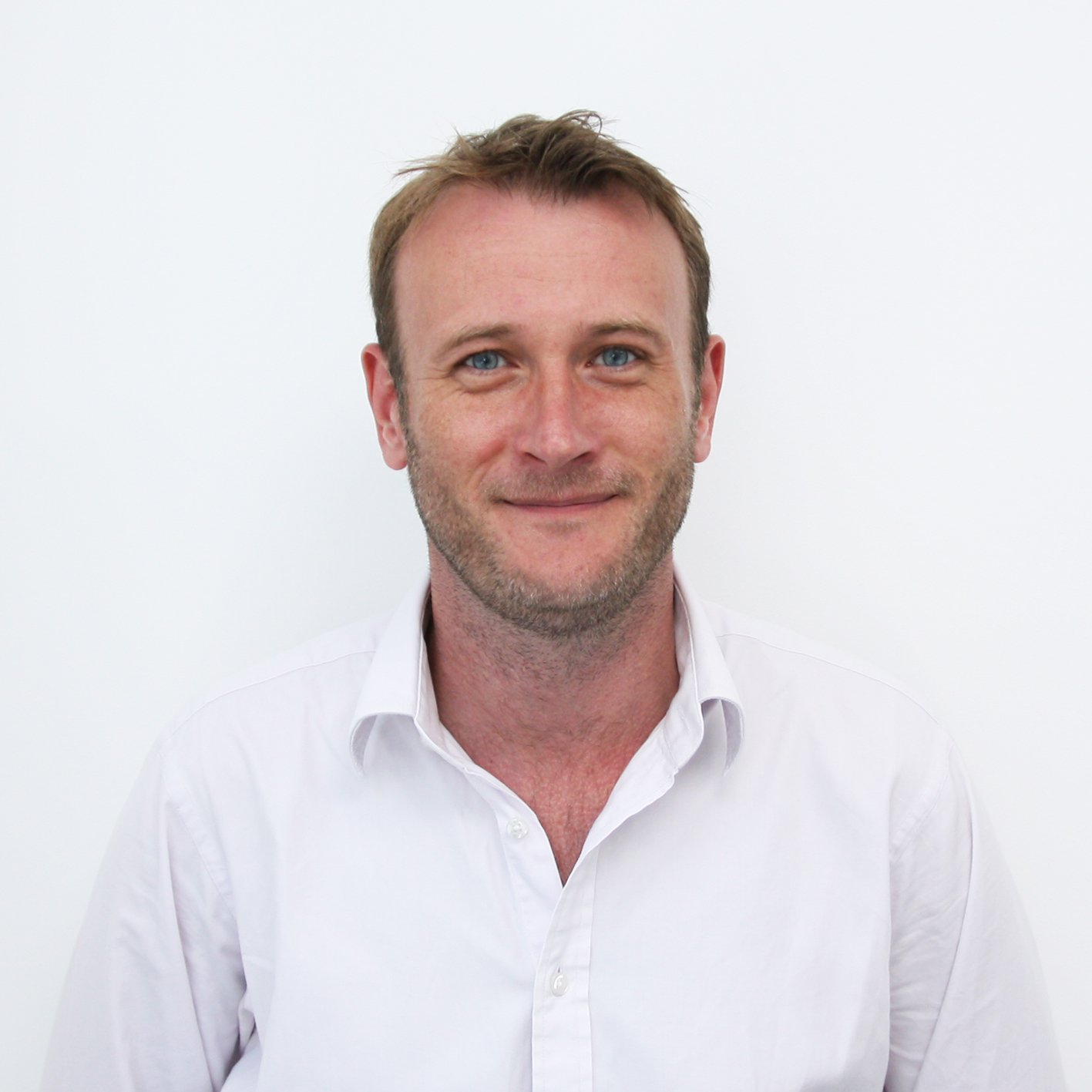
Professor James Batchelor, CIRU Director

Together, these standards provide robust frameworks for managing information security, protecting sensitive data, and ensuring the consistent delivery of high-quality services and continual improvement across our operations. They provide assurance to NHS organisations, research partners, and collaborators that our processes meet recognised international standards for both information security and quality management.

Achieving and maintaining ISO 27001 and ISO 9001 certification demonstrates our Unit's commitment to safeguarding confidential information, meeting stakeholder expectations, and operating to internationally recognised best-practice standards. Our director Professor James Batchelor had the following words to say about CIRU’s recent success:

“We are excited to announce our continued high-level compliance with ISO 9001 and ISO 27001, demonstrating our additional commitment to providing our clients and stakeholders with assurances of our information security and quality systems management.”

ISO 27001 helps to ensure that confidential and sensitive information is protected throughout its lifecycle. For NHS partners, this offers confidence that data is handled responsibly, with appropriate controls in place to safeguard patient and organisational information while supporting vital research and innovation.

Complementing this, ISO 9001 focuses on quality, consistency, and continuous improvement. It encourages organisations to adopt efficient, well-managed processes that deliver reliable outcomes and respond to the evolving needs of stakeholders. For us this means regularly reviewing and enhancing our ways of working to ensure we continue to provide high-quality support for research, service improvement, and collaboration across the health and care system.

Both certifications strengthen our governance framework and reinforce our commitment to excellence. They help us meet the expectations of NHS organisations and beyond by embedding quality and information security into every aspect of our work, from project delivery and data management to stakeholder engagement and operational performance.

Most importantly, our certifications have been independently assessed and recognised by BSI, providing external validation that CIRU continues to meet the rigorous requirements of both standards. The BSI certifications demonstrate our ongoing commitment to supporting our stakeholders with confidence, integrity, and best practice, enabling research and innovation that ultimately benefits patients and the wider health and care community.

3CTN launches user newsletter

The Canadian Cancer Clinical Trials Network (3CTN) has recently launched a new communication initiative for its EDGE user community: the EDGE Essentials newsletter.

Published every two months, the newsletter is designed to strengthen communication, showcase EDGE’s features, and increase awareness of its functionality, to optimise usage and encourage greater adoption across Canada. Each edition highlights key features, explains how they can benefit users, and includes a practical Tip of the Month to help users get even more out of EDGE.

The reason behind the initiative:

We asked Lead Administrators Rebecca Xu and James Schoales what the reason was for launching EDGE Essentials. They responded:

“With EDGE releasing updates, we wanted to make sure users were aware of the new functionalities and how they can be used. Additionally, we wanted to increase awareness of already existing functionality to encourage full usage of EDGE.”

How it’s going:

Rebecca and James informed us that their EDGE Essentials newsletter is already proving to be a highly effective engagement channel, achieving strong open rates and expanding  reach well beyond Lead Administrators. EDGE Essentials has driven increased participation across the broader community, with many new users signing up for EDGE drop-in sessions and joining working groups.

With strong aims of increasing awareness of existing functionality, being able to highlight important updates, answer frequently asked questions as well as being able to reach users beyond Lead Administrators, we are incredibly proud of 3CTN’s new venture and wish them every success with it.

Feeling inspired? Take a cue from 3CTN and consider launching a newsletter for your own end users to keep them informed, engaged, and confident in using EDGE. Let us know if you roll this out at your organisation, we would love to hear from you.

Raisa Chowdhury - Project Lead, James Schoales - Portfolio Data Analyst and Rebecca Xu - Manager, Portfolio & Informatics

EDGE returns to the UKCRF

Stevie Barre, Programme Manager, and Roberto Aguiar, Technical Business Support Manager, will be attending the Annual UKCRF Conference at the Business School, Trinity College, Dublin, on 9–10 July.

This year marks Stevie's second UKCRF Conference, and he is looking forward to returning alongside his colleague Roberto to connect with clinical research professionals from across the UK and Ireland. The conference provides a valuable opportunity for the EDGE team to engage directly with the people who use the platform every day, strengthening relationships, sharing knowledge, and gathering insights that help shape the future of EDGE.

Speaking ahead of the event, Stevie highlighted why the conference is such an important date in the calendar:

"The UKCRF Conference enables us to meet with many delivery teams predominantly working clinically who are, in many respects, the real EDGE front line. It gives us the opportunity to hear first-hand about the challenges they face, gather valuable feedback, explore new ideas, and better understand how EDGE can continue to support their work. It's also a fantastic chance for attendees to meet members of the EDGE team, ask questions, share experiences, and for us to strengthen the relationships we have with our clients."

The UKCRF Conference is recognised as one of the leading events for the clinical research community, bringing together professionals from across research delivery, academia, and the NHS to discuss innovation, collaboration, and best practice. For the EDGE team, it is an invaluable opportunity to listen to users, showcase the latest developments, and gain a deeper understanding of the evolving needs of research teams.

If you're attending the conference, be sure to stop by the EDGE stand to meet Stevie and Roberto. Whether you have questions about the platform, would like to discuss your experience with EDGE, or simply want to say hello, they'd be delighted to meet you.

To find out more about the conference, visit the UKCRF website here.

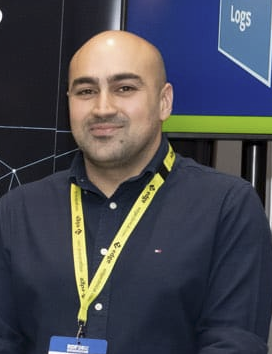
Stevie Barre & Roberto Aguiar, EDGE