

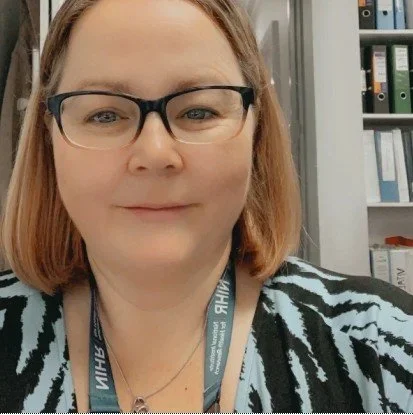
Donna Foster – Clinical Trials Governance & Data Manager, Research and Development, The Princess Alexandra Hospital NHS Trust, UK
At The Princess Alexandra Hospital NHS Trust, research activity continues to grow across a broad range of specialties. The Trust currently supports around 75 active studies across three sites, including commercial and non-commercial trials, portfolio and non-portfolio studies, and academic research. Approximately 15% of these studies are commercial, a proportion expected to rise as the Trust expands its commercial research activity. Ensuring that study activity is accurately tracked and supported by robust financial processes is therefore essential, especially with research teams working across multiple departments and sites,
When Donna Foster joined the Research, Development and Innovation (RD&I) department in November 2023, she quickly identified that financial tracking within research studies was an area that needed attention. At the time, invoices were typically raised only when sponsors requested them, and there was no central system to record study activity or verify whether all billable work had been captured. “When I arrived, finance wasn’t prioritised,” Donna said. “Invoices were often only raised when sponsors asked for them, which meant there was no clear way of checking whether everything we had done had actually been claimed for.”
Although staff were aware that EDGE had finance capabilities, the tools had never been implemented due to uncertainty around how to configure them. Donna was determined to change this and contacted the EDGE team for support. Within days, the team held their first Teams call with Stevie and Mat to use the commercial and non-commercial import tools. They were up and running at the Trust within a week.
The impact was immediate. The first study Donna applied the system to was a commercial trial where the sponsor had requested a final invoice of £6,000. By retrospectively recording historical activity within EDGE, she was able to identify additional billable work that had not previously been captured. The final invoice issued exceeded £24,000 after reviewing the records with the sponsor. “My achievements regarding implementing the EDGE finance tools was recognised in the Trust’s proudest moments, and highlighted the money that would have been ultimately lost if these tools had not been introduced.”
Today, the RD&I department uses both the commercial and non-commercial finance import tools within EDGE to track study-related income. Research staff across the department – including research nurses, clinical trial practitioners, pharmacy teams, and data teams – record activities such as study visits, monitoring visits, participant travel expenses, and consumable checks directly in the system. While it initially took some time for clinical teams to adjust to recording financial activity alongside research tasks, the process has now become embedded in day-to-day workflows.
The results have been significant. Donna said: “Within the first three months of implementing the finance tools in EDGE, the department recovered more than £100,000 in previously unclaimed income from historic studies.” This ensured the department finished the financial year in a positive position and created a stronger financial foundation moving forward. During the 2024/25 financial year, the RD&I department recorded the highest research income in its history – a milestone supported by the ability to track study activity and associated income in real time.
Beyond recovering lost revenue, the system has also helped the team improve efficiency. Because research activity is now recorded at the time it occurs, invoices can be prepared quickly and with confidence that all eligible costs are included. Management and summary reporting tools within EDGE also provide insights into current and projected income, helping the department make informed decisions about future growth and team expansion.
Donna has since shared her experience with other organisations through EDGE events and professional networks, encouraging other Trusts to adopt the finance tools to strengthen their own cost recovery processes. As research activity continues to expand, the integration of financial tracking within EDGE is helping the Trust build a more sustainable and transparent research environment. “I cannot express enough what a difference the finance tools have made. I would recommend them to all Trusts.”